We think you need some shoe trees! and here's why...
A well-maintained pair of shoes or boots is more than just footwear; it’s a statement of style, professionalism, and attention to detail. But without proper care, even the finest leather shoes c...
We think you need some shoe trees! and here's why...
A well-maintained pair of shoes or boots is more than just footwear; it’s a statement of style, professionalism, and attention to detail. But without proper care, even the finest leather shoes can lose their shape, develop creases, and suffer from odour and moisture damage. That’s where cedar shoe and boot trees come in.
Do your expensive leather shoes lose their shape and develop unsightly creases?
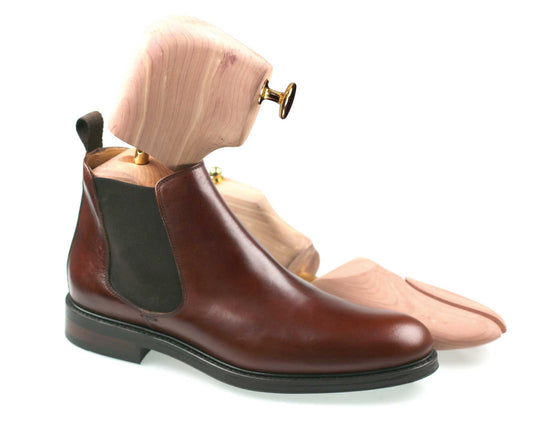
Quality leather shoes and boots are an investment, but over time, they can lose their form if not properly maintained. Cedar shoe and boot trees help to retain the original shape of your footwear, preventing the formation of deep creases and wrinkles. By inserting them after each wear, you ensure that your shoes maintain a sleek, polished look, extending their lifespan significantly.
Are your shoes starting to smell unpleasant after a long day of wear?
Leather shoes and boots naturally absorb sweat and odours from daily use. Unlike plastic or cheap wooden alternatives, red cedar shoe trees are naturally aromatic and act as a natural deodoriser, keeping your footwear fresh and pleasant. The natural oils in cedar combat odours and provide a light, woody fragrance that enhances the inside of your shoes and boots.
Do your shoes feel damp inside, especially after wet weather or warm days?
Moisture is one of the biggest threats to leather footwear. Whether from sweat, rain, or general humidity, damp shoes can lead to premature wear, cracking, and even mould. Cedar boot and shoe trees absorb excess moisture, helping to keep the leather dry and free from damage. This is especially important for boots, which often endure harsher conditions and require extra care to prevent deterioration.
Are you frustrated by cheaply made shoe trees that don’t last or fit properly?
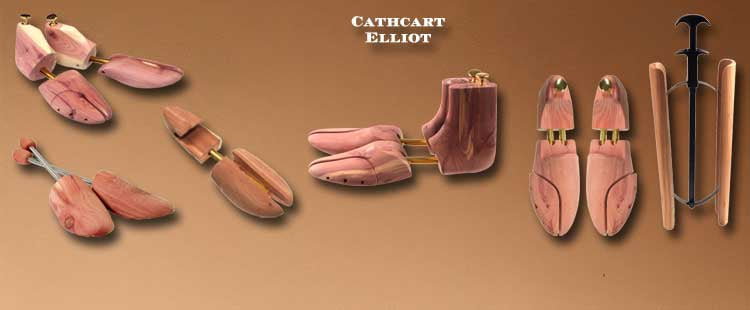
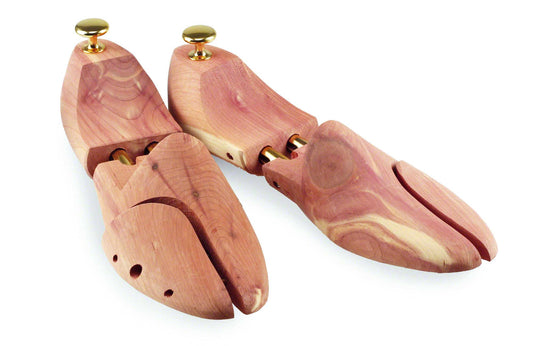
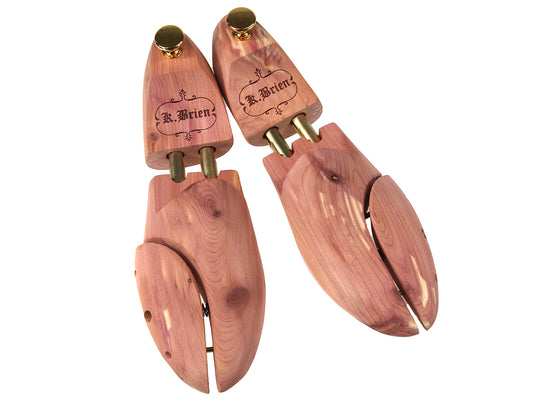
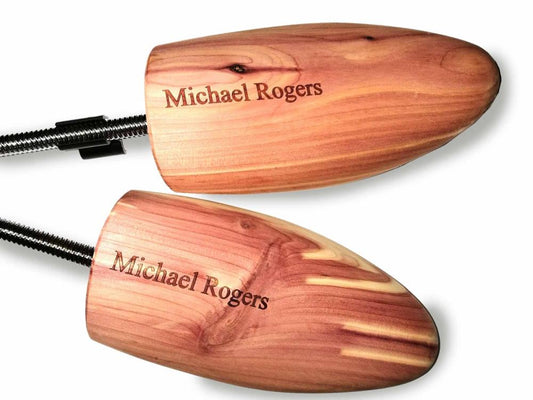
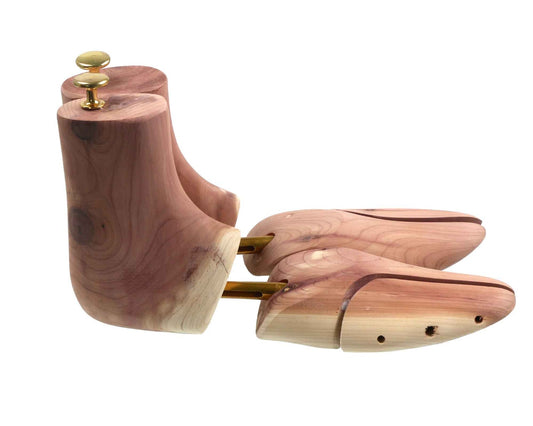
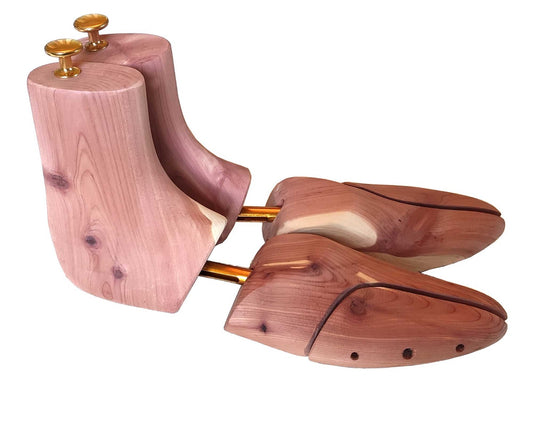
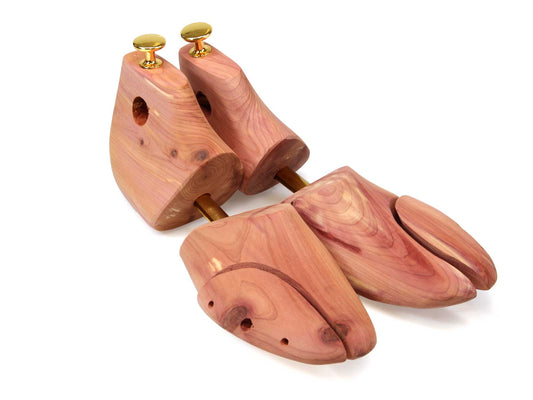
Not all shoe trees are created equal. Many low-cost options are made from inferior materials that do little to protect your shoes. Our premium red cedar shoe and boot trees are carefully crafted with brass expansion tubes and a gold-coloured knob for durability and ease of use. They are designed to fit snugly without overstretching the leather, offering superior support compared to mass-produced alternatives.
Would you like to extend the life of your high-quality footwear and protect your investment?
A well-cared-for pair of shoes or boots can last for years, even decades. By using shoe and boot trees, you’re actively preventing long-term damage, ensuring your footwear remains comfortable, stylish, and structurally sound. This small addition to your shoe care routine can save you money in the long run by reducing the need for frequent replacements.
Do you struggle to find premium shoe trees at a fair price without overpaying?
High-quality shoe and boot trees are often expensive, but we’ve eliminated the middlemen to bring you top-tier cedar shoe trees at unbeatable prices. With multi-buy and tiered discounts available, investing in proper shoe care has never been more affordable.
Invest in Your Footwear Today - you need shoe / boot trees !
For the discerning gentleman who values craftsmanship and longevity, cedar shoe and boot trees are an essential addition to any shoe care routine. Whether you own fine dress shoes or rugged boots, preserving their shape, freshness, and durability is key.
Discover the difference today and give your shoes the care they deserve.
Read Less